Emails Going to Spam? Fix SPF, DKIM, and DMARC
Learn why your domain emails land in spam, what SPF, DKIM, and DMARC do, how to check your domain, and what to send a freelancer to fix it.
Key takeaways
- Your domain emails usually go to spam because receiving mail servers can’t verify that the message was really sent by a source allowed to send on your behalf.
- SPF says who can send for your domain, DKIM signs each message so tampering can be detected, and DMARC tells the receiver what to do if those checks fail.
- Common mistakes include having two SPF records for the same domain, forgetting to include your mail provider or campaign tool, setting DMARC to reject too early, and sending campaigns from your everyday work inbox.
- Setting up all three records needs temporary access to your domain settings and the name of your mail provider, and on Hylance it starts at about SAR 50 (about $13) at the time of writing.
If emails from your domain, such as [email protected], keep going to spam or never arrive, it is usually because the receiving server cannot verify that they really came from you. That proof is added in your domain settings as three records: SPF, which defines who is allowed to send on behalf of your domain; DKIM, which signs each message; and DMARC, which tells the receiving server what to do if the checks fail. When all three are set correctly, and you are not sending large campaigns from the same everyday work inbox, your emails will reach the inbox in most cases.
Why do your domain emails go to spam?
Anyone can type your address into the sender field, just as someone could write your name on an envelope you never sent. That is why major mail servers do not trust the sender name alone. They look for proof in your domain’s DNS records. DNS is the internet’s public address book. It contains small records that say where your website is, where your mail is, and who is allowed to send on your behalf. When that proof is missing or contradictory, these problems start to happen:
- Invoice emails and order confirmations land in the customer’s spam folder, so they never see them.
- Some messages are rejected and do not arrive at all. You may get a failure notice back, or you may not.
- Someone impersonates your store and sends scam messages in your name, which damages your domain’s reputation with mail providers.
- Your website contact form sends messages to you, but you never receive them, so you lose inquiries without realizing it.
What do SPF, DKIM, and DMARC do in one sentence?
Each record answers a different question asked by the receiving server, and none of them replaces the others. The table below sums up the difference.
| Record | What it does | Question it answers | Where its value comes from |
|---|---|---|---|
| SPF | A list of the servers and services allowed to send on behalf of your domain | Is this sender allowed to send using your domain? | From your mail provider and from every tool that sends on your behalf |
| DKIM | A digital signature added to each message and matched against a key published on your domain | Did this message really come from you, and was it changed in transit? | Generated by your mail provider in its settings panel |
| DMARC | A policy that tells the receiver what to do if the checks fail, and sends you reports | What should I do with a message that did not pass the checks? | Written by you or by the freelancer depending on the setup stage |
Just for clarity, here is a general example of what an SPF record looks like, not a value to copy: v=spf1 include:mail.example.com ~all. It means the listed provider’s servers are allowed to send, while others should be treated with suspicion. The correct value for your domain should come from your mail provider’s help page.
How to check your domain yourself in five minutes
You do not need technical experience to understand your domain’s status. One of the following methods is enough, or you can use both.
- Send an email from your domain address to a personal Gmail account, open it, and choose to view the original message from the options menu.
- Search the page for SPF, DKIM, and DMARC, and check whether each one shows PASS, FAIL, or nothing at all.
- Enter your domain name into one of the free checking tools you find by searching for “SPF checker” or “DMARC checker.” These tools will show the records that exist and any errors in them.
- Watch for warnings about having more than one SPF record, a missing DMARC record, or a missing DKIM key.
- Keep a screenshot of the result. It is one of the best things you can send a freelancer so they understand the situation from the first message.
Common mistakes that hurt email deliverability
Most email problems that seem mysterious come down to one of the following mistakes, and all of them can be fixed without changing your mail provider.
- Two SPF records for the same domain: this happens when each provider adds its own record without removing the old one, and the result is that the whole SPF check fails. A domain should have one SPF record that combines all sending sources.
- Forgetting your mail provider or another tool: if your store, campaign tool, or invoicing system sends using your domain but is not included in SPF and does not have DKIM enabled, only those messages will fall into spam.
- Setting DMARC to reject too early: a reject policy tells the receiver to reject every message that fails. If one of your tools is not set up yet, its messages may disappear completely. It is safer to start with a monitoring policy of none, read the reports, then move gradually to quarantine and then reject.
- Sending campaigns from your work inbox: sending a marketing email to hundreds of addresses from the same info@ inbox can make mail providers treat the whole domain like a spam sender, which affects invoice emails and normal replies too. Campaigns should go through a bulk sending tool configured for your domain, preferably on a subdomain.
- Changing your mail provider without updating the records: the old provider’s records stay in place while the new provider’s records are missing.
What to send the freelancer to set up your email
Setting up the three records is a quick job if the freelancer gets what they need from the start. Send the following in the order conversation on Hylance, where files and access details can be shared and everything stays documented.
- Your domain name and the company or service that manages its DNS settings, whether that is the domain registrar, your hosting company, or another service.
- Temporary access to the domain settings through a sub-account or user permission if the provider allows it, not your main account password, and remove that access after delivery.
- The name of your mail provider, such as Google Workspace, Microsoft 365, or your hosting email service.
- A list of everything that sends on behalf of your domain: your store, your website form, your campaign tool, and your invoicing system.
- A screenshot of the check result, plus an example of an email that went to spam if you have one.
How much does domain email setup cost on Hylance?
The following figures are approximate, based on services listed on Hylance at the time of writing. The exact price appears on each service card in your own currency. Professional email setup on your domain, including SPF, DKIM, and DMARC, starts at about SAR 50 (about $13). Automatic email filtering rules in Gmail or Outlook, with AI reply templates, are around SAR 60 (about $16). And a contact or booking form on your website that sends to your email and to a Google Sheet is around SAR 45 (about $12).
You pay from your Hylance wallet, and the amount stays held by the platform until you confirm delivery. Before delivery, you can cancel the order and the amount returns to your wallet. After delivery, if the work does not match what you agreed on, you can open a dispute for the platform team to review. On your first order, you also get a 10% discount.
How to confirm the problem is fixed after setup
DNS changes can take some time to spread, so do not judge the result in the first minute. After the freelancer tells you the setup is done, check the following before confirming delivery:
- Check the original message again in Gmail and make sure all three records show PASS.
- Run the free checker again and make sure there is only one SPF record.
- Send a test message to an Outlook or Hotmail address too, not just Gmail.
- Test every tool that sends on your behalf: a sample order from the store and a message from the website form.
- Ask the freelancer to write in the conversation what your current DMARC policy is and when it makes sense to increase it.
Email and domain services on Hylance
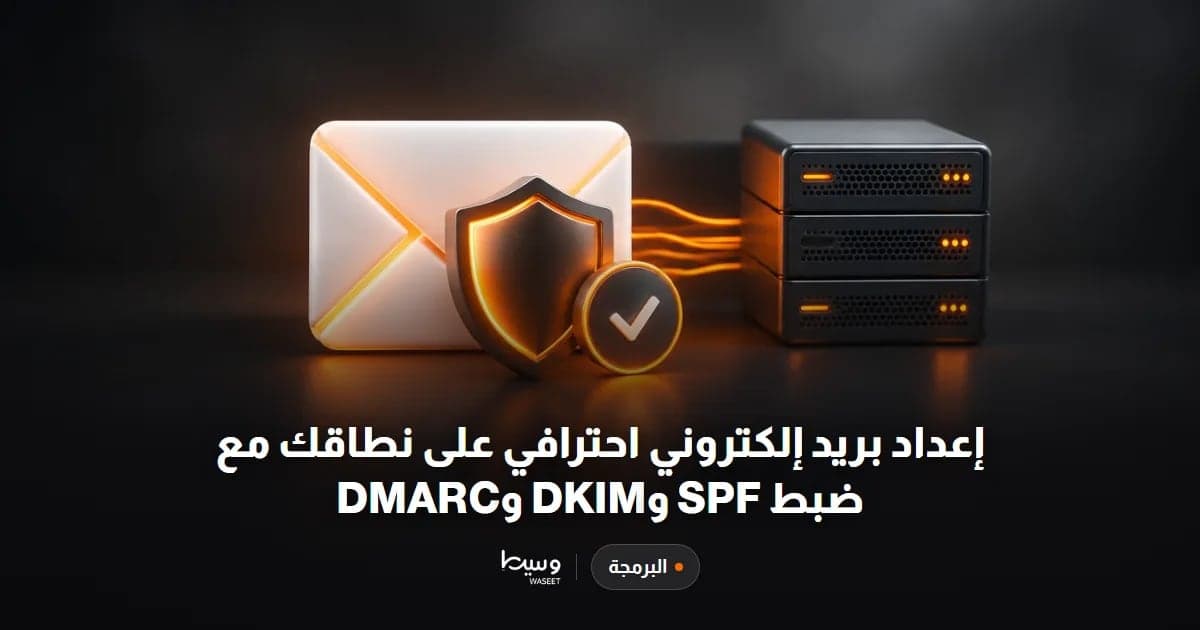
Professional email setup on your domain with SPF, DKIM, and DMARC
- Programming & Tech
- New service


Gmail or Outlook auto-sorting rules with AI reply templates
- AI Services
- Recently added
- New service

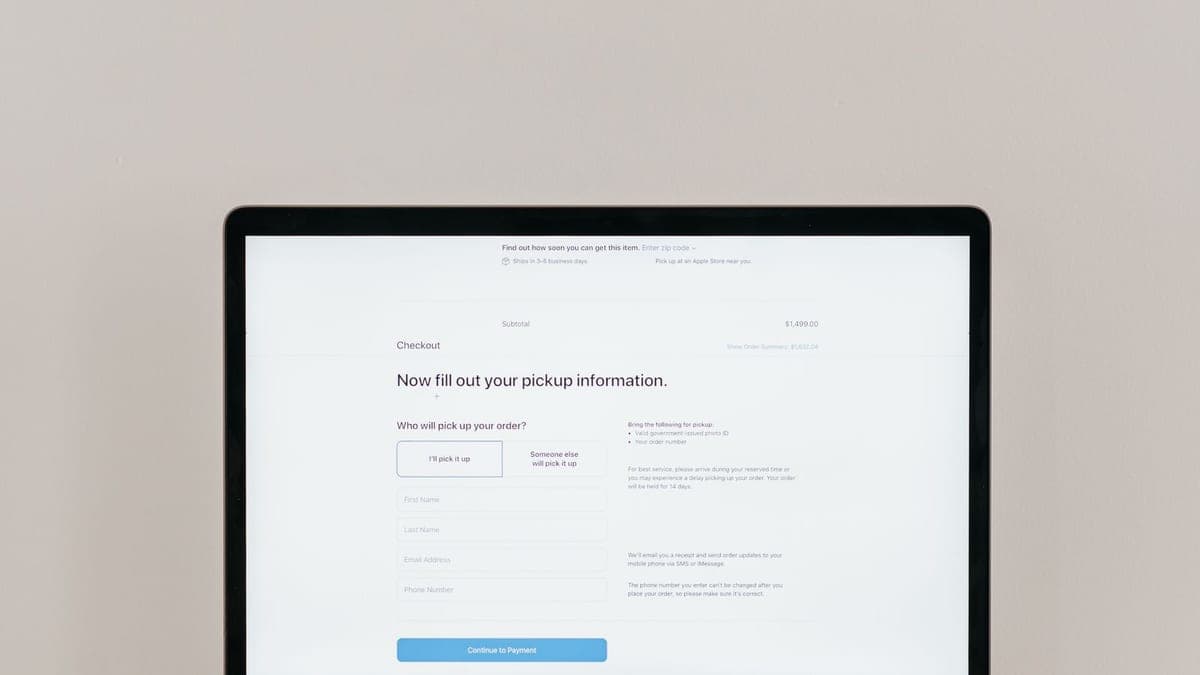
Contact or booking form for your site sent to your email and Google Sheet
- Programming & Tech
- New service

Frequently asked questions
Why do my emails go to spam even though I use my own domain?
Because owning the domain alone does not prove anything to the receiving server. If Gmail or Outlook cannot find valid SPF, DKIM, and DMARC records for your domain, they cannot confirm that the message really came from you rather than someone impersonating you, so they may send it to spam or reject it. The problem can get worse if you have duplicate SPF records, a sending tool that is not included in SPF, or you send large campaigns from the same work inbox.
How can I tell if SPF, DKIM, and DMARC are set up on my domain?
Send an email from your domain address to a personal Gmail account, open it, choose to view the original message, and look for the word PASS next to SPF, DKIM, and DMARC. You can also type your domain name into one of the free checking tools you find by searching for “SPF checker” or “DMARC checker.” These tools will show the records currently on your domain and any errors in them.
Can my domain have more than one SPF record?
No. A domain can have only one SPF record. If you have two, the check fails as if there were no SPF record at all. If you use more than one sending service, such as your mail provider, a campaign tool, and your store system, they all need to be combined into a single SPF record.
Ready to put this into practice?
Browse Programming & Tech services on Hylance and order what your business needs, with escrow that protects both sides. Or create an account and list your first service in minutes.