Podcast for Your Business: What to Prep First
Learn what to prepare before launching a business podcast: your idea, format, basic gear, pre-recorded episodes, and what to outsource.
Key takeaways
- Before your first episode, prepare five things: a focused idea for a specific audience, a consistent format and length, simple equipment, three recorded episodes, and a short intro and outro.
- A modern phone or a USB microphone in a quiet furnished room is enough to start. You do not need a studio.
- Record three episodes before you publish the first one, then stick to a publishing schedule you can maintain.
- The idea and recording are your job; editing, the intro, and short promo clips can be handed off to a specialist.
Before you publish the first episode of your business podcast, prepare five things: a focused idea your customers care about, a consistent episode format and length, simple equipment in a quiet room, three episodes recorded in advance, and a short audio intro and outro that say your name. A podcast is an audio show published in episodes that people listen to through listening apps while driving or doing something else. You do not need a studio to get started, but you do need to make a few decisions before you hit record. This guide walks through them one by one, then explains what to do yourself and what to hand off to a specialist.
Does your business need a podcast?
A podcast suits a business people buy from after they trust the owner’s expertise: a consultant, coach, clinic, service office, or a store that sells a product that needs explanation. It is a long-term channel, not a quick ad. The listener gets to know you episode by episode, then remembers you when they need what you sell. Ask yourself three questions before you start:
- Do you have enough to say for twenty episodes, not just three? Write the titles now. If you stall at episode five, the idea is narrower than it needs to be.
- Can you commit two to three hours a week for prep and recording for six months?
- Do your customers actually listen to podcasts? Ask five of them what they listen to and when.
If the answer is no to two of these questions, then short audio or video clips on your accounts are a better fit for you now than a full podcast.
Choose a focused idea and a specific audience
A podcast that talks about everything is remembered by no one. Write one sentence that says who the show is for and what the listener will get from each episode. “A podcast about commerce” is too broad. “Questions new online store owners ask, one question in each episode” is a clearer idea, and the listener can tell from the title whether it is for them. The name comes after that sentence: keep it short, easy to pronounce, and clear without explanation. And make each episode title a question or a specific promise, because listeners choose episodes by the title.
Set the episode format and length before recording
A consistent format makes preparation easier and helps listeners know what to expect. Choose one format for the first season and do not switch from one episode to another.
| Episode format | When it suits you | What it needs |
|---|---|---|
| Solo episode | You have expertise to explain yourself and your time is limited | Written bullet points for each episode, and it is the easiest format to edit |
| Guest interview | You want to reach the guest’s audience and vary the voices | Scheduling, questions sent to the guest in advance, and a microphone for each speaker |
| Two regular hosts | You have a partner who complements you in conversation | Record each voice in a separate file so each one can be adjusted on its own |
As for length, decide it based on what the idea needs, not on what other people do. A short focused episode you can finish every week is more useful than a long episode that gets delayed for a month. And write bullet points for each episode, not a full script: reading from a page is audible, and improvising without points makes the episode longer and less focused.
Equipment that is enough to get started
The room matters more than the microphone. A small room with carpet, curtains, and furniture gives you cleaner sound than an empty hall with an expensive microphone, because soft surfaces absorb echo. After the room, you do not need much:
- A modern phone or a USB microphone connected directly to a computer, about a hand span from your mouth.
- Wired headphones so you can listen to a test recording before you begin.
- A free recording app on your phone or computer, and for remote guests, a program that records each voice in a separate file.
- Turn off the AC, close the windows, silence notifications, and record a one-minute test before every episode.
- A podcast hosting service: a site where you upload the episode file once and it distributes it to listening apps. Check each service’s plans on its official page before you choose.
Record three episodes before you publish the first one
Recording in advance shows you whether you can keep going before you announce anything. After three episodes, you will know how much time preparation really takes, you will hear your own voice and fix what bothers you about it, and you will have a buffer for a busy week. And when a new listener likes one episode, they immediately look for the second, so do not leave them with only one. After that, choose a fixed publishing day you can keep up with, even if it is once every two weeks, and stick to it.
What should you do yourself, and what should you outsource?
The idea and the talking are your job; no one can do those for you. What comes after recording, though, is repeated technical work that takes more time than you expect, and handing it to a specialist keeps you focused on what you do best.
| Task | Who does it | Why |
|---|---|---|
| Choosing the topic and guest, and writing the bullet points | You | No one knows your customers and their questions better than you do |
| Recording | You | Your voice and expertise are the show |
| Editing and leveling the audio | Specialist | Removing mistakes and pauses and adjusting the sound need a trained ear and specialized software |
| Audio intro and outro | Specialist, one time | They are made once and used in every episode, and they need commercially licensed music |
| Short clips to post on your accounts | Specialist | They are what introduces people to the episode outside listening apps |
When you order editing, send the original files, not a compressed copy. Write down the timestamps of the parts you want removed, and say whether you want the intro and outro added to the episode. Upload the files to a cloud storage service and send the link in the order chat on the platform.
Mistakes that make a podcast stop after just a few episodes
- Buying expensive equipment before recording a single episode. Start with what you have and upgrade after you prove you can publish consistently.
- Episodes with no fixed schedule. Listeners forget a show that disappears and then comes back.
- A long intro before getting to the point. In the first minute, say what the listener will get from the episode.
- Turning every episode into an ad. Mention your business in one sentence near the end, and let the value speak for you.
- Using music taken from a famous song. Use commercially licensed music so the episode does not get removed.
- Publishing the episode without listening to it all the way through. Listen once with headphones before you upload it.
How much do podcast services cost on Hylance?
The price depends on the episode length and what the work includes. At the time of writing, clearly defined audio services on Hylance, such as extracting short clips from an episode or creating an audio intro and outro, start at around SAR 45 (about $12), and editing an audio episode up to 30 minutes costs around SAR 80 (about $21). These are approximate figures, and you will find the exact price, delivery time, and what is included on each service page.
Podcast services on Hylance
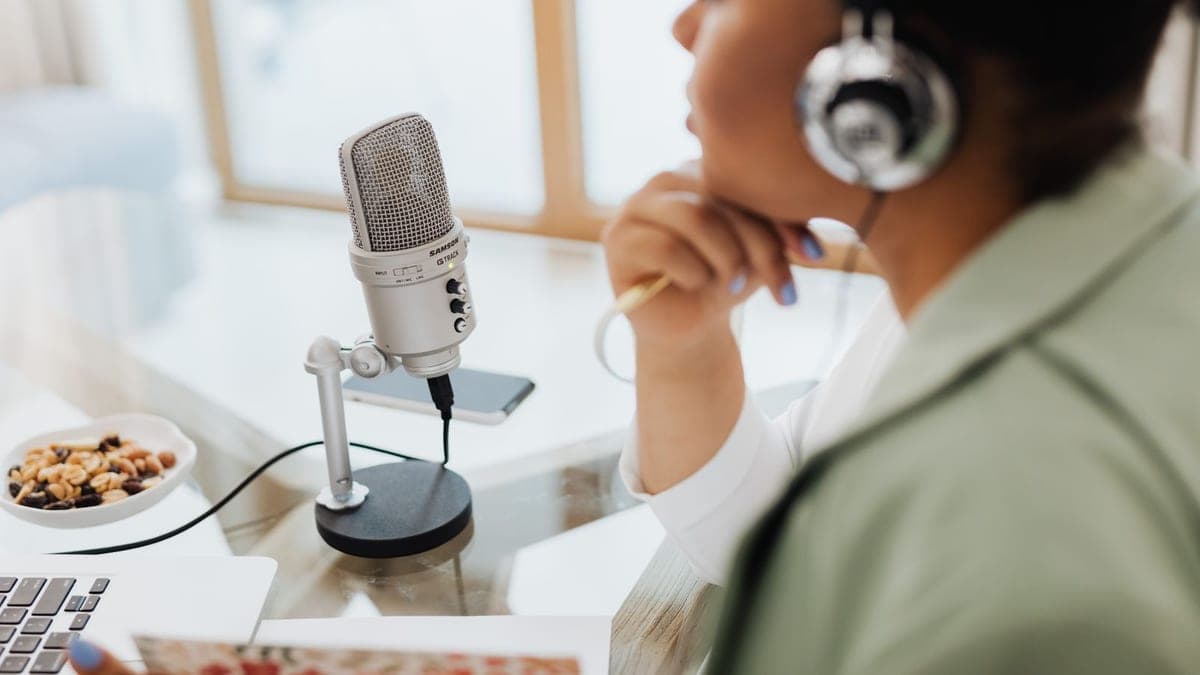
Podcast Episode Audio Editing up to 30 Minutes
- Music & Audio
- New service

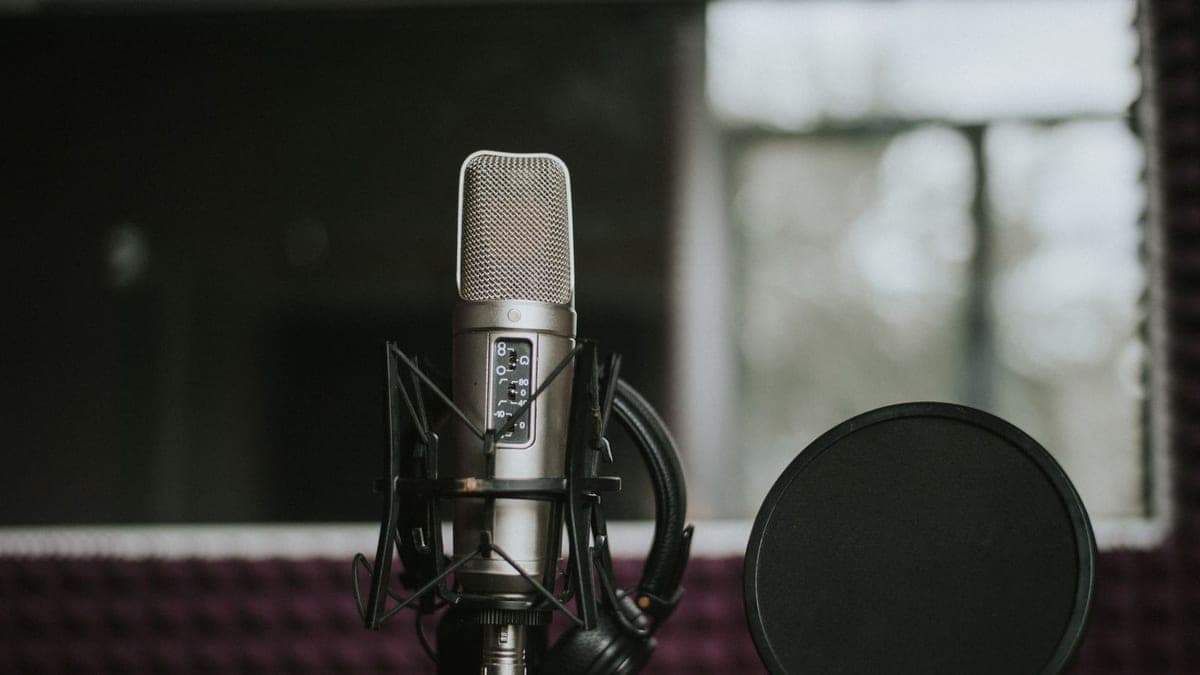
Podcast intro and outro audio with voiceover and licensed music
- Music & Audio
- Recently added
- New service
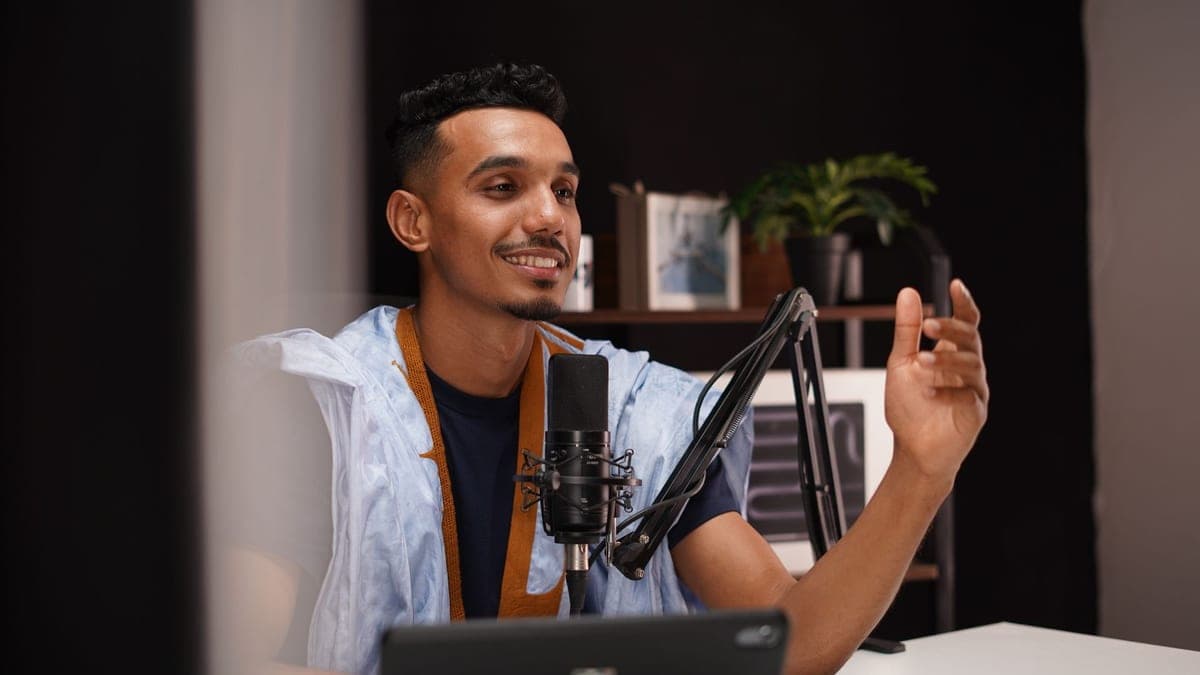
5 short audio clips extracted from a podcast or long recording
- Music & Audio
- New service
Frequently asked questions
What do I need to start a podcast for my business?
You need a focused idea your customers care about, a consistent episode format and length, a modern phone or a USB microphone in a quiet furnished room, three recorded episodes before launch, a short audio intro and outro, and a podcast hosting service that distributes your episodes to listening apps.
Do I need a studio to record a podcast?
No. A small quiet room with carpet, curtains, and furniture can give you acceptable sound, because soft surfaces absorb echo. The important thing is to keep the microphone close to your mouth and record a one-minute test that you listen to with headphones before the episode.
How many episodes should I record before launching my podcast?
At least three. Recording in advance shows you whether you can keep going, gives you a buffer for a busy week, and means a new listener will find more than one episode when they open your podcast.
Ready to put this into practice?
Browse Music & Audio services on Hylance and order what your business needs, with escrow that protects both sides. Or create an account and list your first service in minutes.