The Quote That Wins Clients
A strong quote is more than a price. Learn the 7 elements that clarify scope, timing, revisions, and next steps, with examples and common mistakes.
Key takeaways
- Start with the client’s problem as you understand it, not with an introduction about yourself.
- Spell out exactly what will be delivered, what is not included, the timeline, and the revision rounds.
- Three pricing options shift the question from “Should I accept?” to “Which one should I choose?”
- Set an expiry date for the quote, explain the next step, and follow up once a few days later.
A convincing quote answers the client’s questions before they ask them: What did you understand about my need? What exactly will I receive? When? For how much? And what do I do next? Put those answers into seven clear elements on one page, and the price stops feeling like a surprise and starts feeling like a logical result. A quote that only says “The cost is SAR 800 (about $213)” leaves the client comparing your number to the cheapest number they’ve heard, because they have nothing else to compare.
Why do clients ignore a quote?
- It starts with the service provider’s background instead of the client’s need.
- It gives a number with no detail, so the client does not know what they are paying for.
- It uses technical terms that only people in the field understand.
- It does not tell the client what to do if they want to proceed.
- It arrives a week after the request, and the client may already have agreed with someone else.
The seven elements
- 1. Your need as I understand it: two lines that sum up what the client wants in their own language. This is what gets them to keep reading.
- 2. What you will receive: a line-by-line list of deliverables, with quantity and format.
- 3. What is not included: this prevents half of all disagreements. “Does not include photography or copywriting.”
- 4. Timeline and stages: when the work starts, when it will be delivered, and what is needed from the client and by when.
- 5. Revisions: the number of rounds and what one round means.
- 6. Price and payment method: the number should be clear, along with what it covers.
- 7. Validity and next step: “This quote is valid for 14 days. To begin, order the service from the link.”
Before and after example
| Before | After |
|---|---|
| Hello, store design for SAR 800 (about $213), delivery within one week. | I understand that you want a store on a ready-made platform to sell perfumes, with a premium look and an easy mobile ordering experience. |
| (No details) | Includes: setting up the theme in your brand colors, the homepage, product page, uploading 20 products, and payment integration. Does not include: product photography or writing product descriptions. |
| (No next step) | Timeline: 7 business days from receiving the images and text. Two revision rounds. Price: SAR 800 (about $213). This quote is valid for 14 days, and to begin, order the service from the link. |
The price did not change between the two quotes, but the second one is much harder to call expensive without first seeing what the client gets for it. The numbers here are only examples for illustration.
Three options instead of one number
One number puts the client in front of a yes-or-no decision. Three options put them in front of a choice. Make the difference between them about scope, not quality:
| Option | What it includes | Best for |
|---|---|---|
| Basic | The minimum that solves the problem | A limited budget or a first try |
| Standard | The basic option plus what most clients ask for | The option you recommend |
| Full | Everything, with priority delivery or support afterward | Someone who wants to hand over the whole job |
And say clearly which option you recommend and why. Clients appreciate guidance, not being left to guess.
Common quote mistakes
- Offering a discount before the client asks for one: it suggests the first price was not serious.
- Sending a five-page quote for a small service: one page is enough.
- Copying the same quote for every client without changing the need summary line.
- Leaving out what is required from the client, then having delivery delayed because of it.
- Promising results you do not control: “Your sales will double.” Promise what you deliver yourself.
- Spelling mistakes and messy formatting: the quote is the first sample of your work that the client sees.
- Sending the quote as an image whose text cannot be copied or searched: send it as a PDF or as text in the message.
- Leaving the price open with “to be determined later” and no approximate range.
After sending: follow-up
Send the quote the same day if you can, or the next day at the latest. Then follow up once after 2 to 3 business days: “Do you have any questions about the quote? I’d be happy to adjust it if the requirements have changed.” Do not follow up with a discount. And if the client declines, ask politely why. Their answer will improve your next quote.
If you sell through Hylance, your service description is your always-on quote: include the same elements there, and whatever you both agree on in the order chat remains the reference for both sides. And if you want a branded template for your quotes and invoices outside the platform, there are services that can prepare one for you, starting at around SAR 35 (about $9) at the time of writing, with the exact price shown on the service card.
Quote language: write the way your client speaks
- Instead of “SEO on-page setup,” write “optimizing your page titles and descriptions so people can find them on Google.”
- Instead of “3 concepts,” write “three different design options to choose from.”
- Instead of “delivery upon completion,” give a date or a number of days.
- Make the numbers stand out: the price, the timeline, and the number of deliverables.
- Read the quote out loud before sending it. If you stumble over a line, your client probably will too.
Services to prepare your quotes and pricing
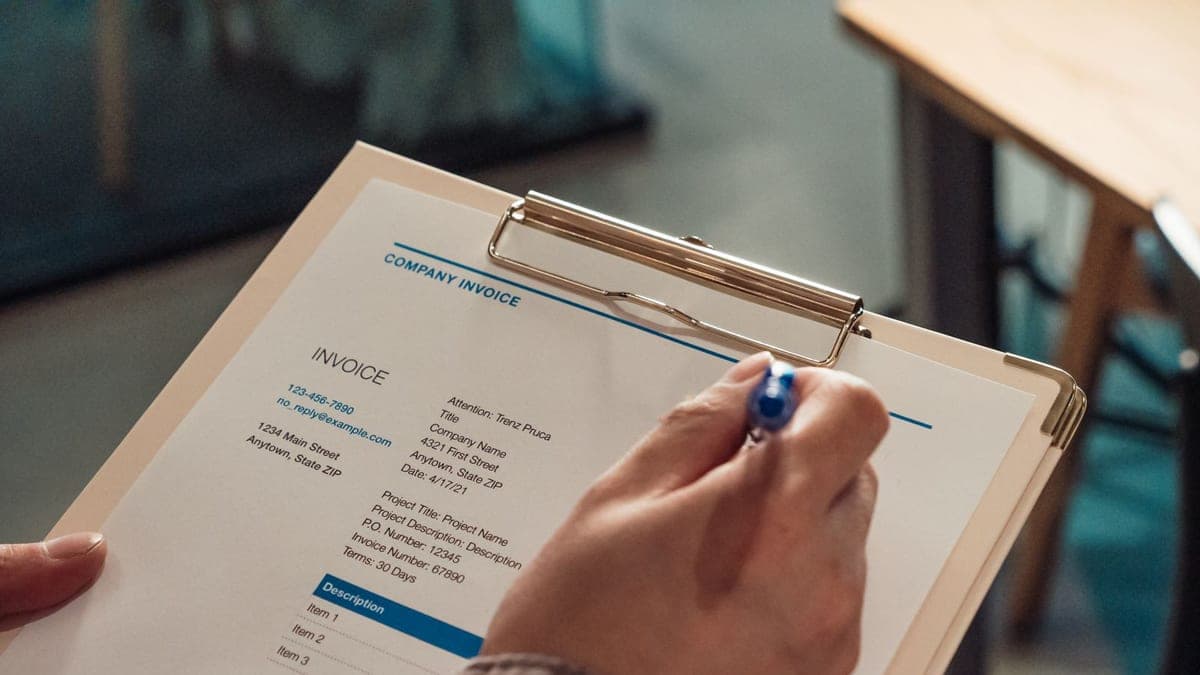
Quote and Invoice Template with Your Business Identity
- Business
- New service

10-slide presentation designed from your content
- Business
- New service


Product and service pricing based on cost and break-even point
- Business
- New service
Frequently asked questions
What should a professional price quote include?
A summary of the client’s need, a detailed list of deliverables, what is not included, the timeline, the number of revision rounds, the price and payment method, the quote’s validity period, and the next step.
Should I send one price or several options?
In most cases, three options work better: basic, standard, and full, with the difference between them clearly explained. Options give the client something that fits their budget without lowering the value of the work itself.
When should I follow up after sending a quote?
After 2 to 3 business days, send a short message asking whether they have any questions about the quote. One polite follow-up is enough, and pushing more than that can hurt.
Ready to put this into practice?
Browse Business services on Hylance and order what your business needs, with escrow that protects both sides. Or create an account and list your first service in minutes.